
Hand-Drawn Infographics, Instantly
Get a hand-drawn sketch-note infographic — ink linework, marker highlights, handwritten headings — from a text prompt in about a minute.
Sign in, new accounts get 10 free credits.
Made with this style
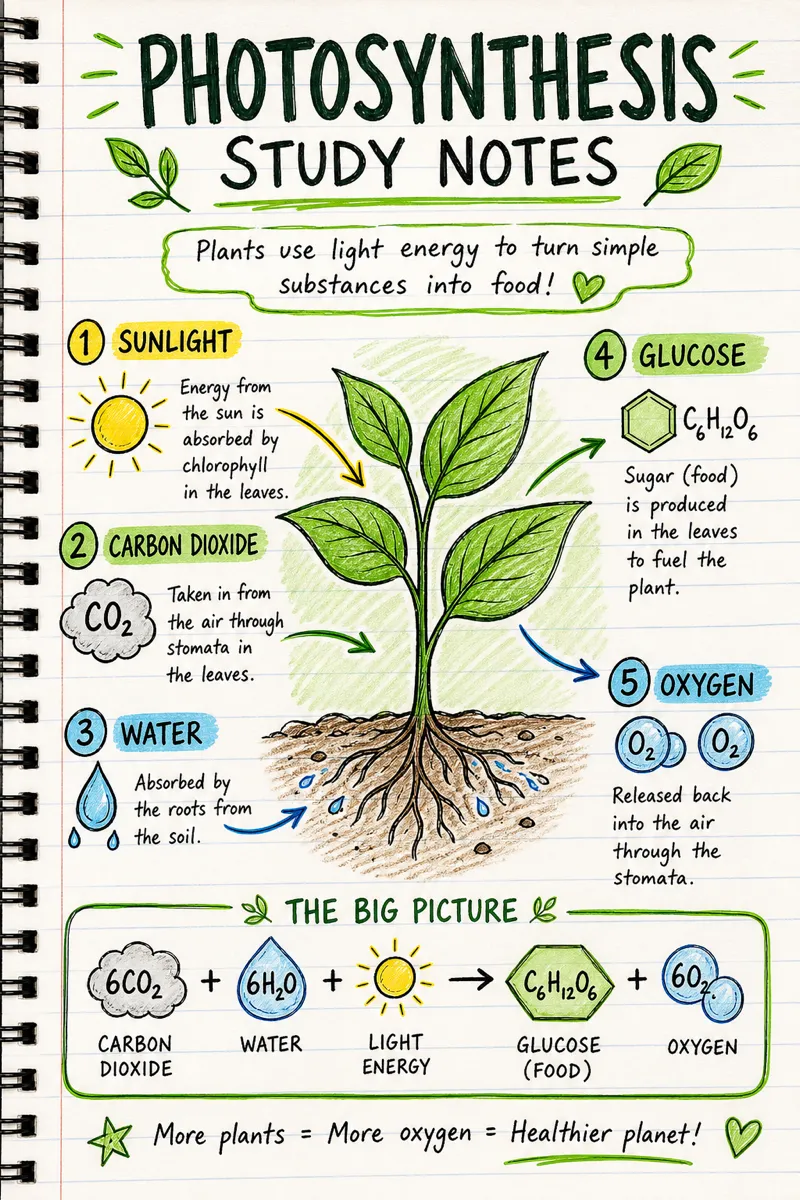
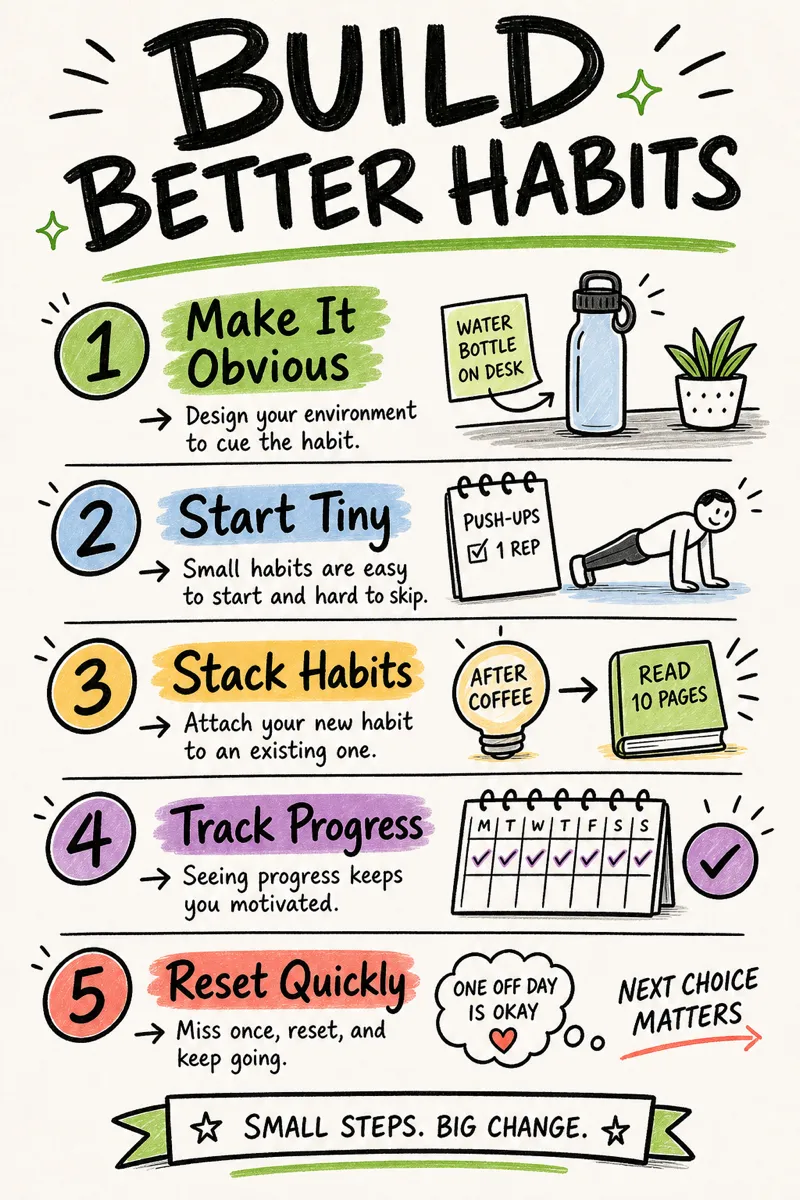
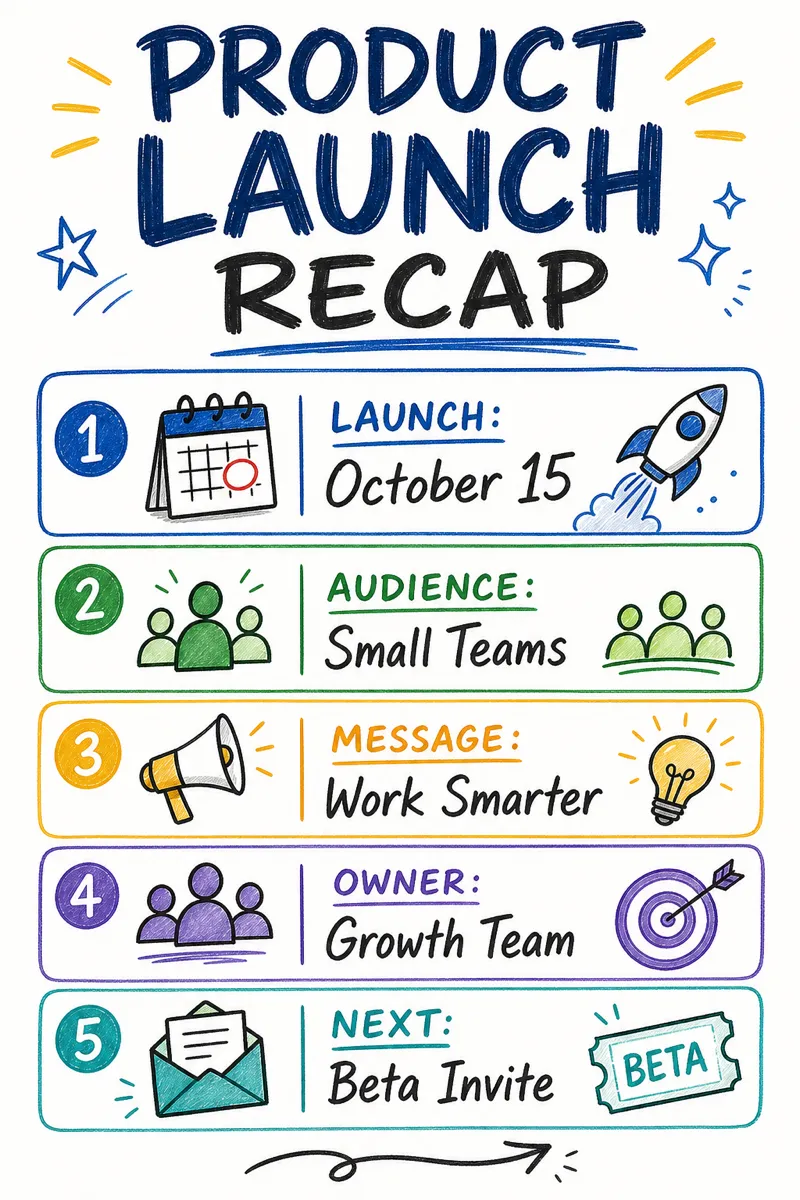
How it works
Start from a text prompt, choose the shape and style, and generate a complete infographic. Then ask for specific changes to the wording, colors, or layout until the result is ready to use.
- 01
Describe
Write what you want in plain language — the topic, the facts, the vibe.
- 02
Generate
Get a polished infographic in about a minute, in the aspect ratio you picked.
- 03
Refine
Change colors, wording, or layout with simple instructions — every version is kept.
What is a sketch note infographic?
Sketch-note style mimics hand-drawn notes: loose ink linework, marker highlights, and casual handwritten-style headings instead of polished vector shapes. It suits content that wants to feel personal and approachable — workshop recaps, meeting notes, course summaries, brainstorm outputs, and social posts where a hand-made look builds trust faster than a corporate one. Coaches, educators, consultants, and community managers use it when the goal is to feel like a real person made this, not a template.
Describe what you want captured — a workshop takeaway, a five-step framework, a set of notes — and Infolustra draws a complete sketch-note infographic in about 60 seconds. If a detail is off, send a follow-up instruction like 'make the headings bigger' or 'add an arrow between step two and three' and the same drawing updates. Switching to another style, like watercolor or chalkboard, keeps the same content but changes the entire look.
Sketch style works best with a handful of ideas and short phrases rather than dense paragraphs — the hand-drawn feel is most convincing when there's room for the linework to breathe. Arrows, circles, and underlines read as natural annotations in this style in a way they wouldn't in a corporate layout. Compared with watercolor, which softens everything into washes and blurred edges, sketch stays graphic and linear — pick sketch for structure and notes, watercolor for mood and warmth.
Facilitators use sketch note infographics to preserve the energy of workshops, while educators use them to summarize lectures without making the page feel formal. A meeting recap can circle decisions and connect owners with arrows; a study sheet can pair definitions with small memory cues. In your prompt, group ideas into three to five clusters and name the phrases that deserve marker emphasis. Too many decorative doodles can compete with the notes they are meant to support.
Frequently asked questions
Make your first infographic
Describe an idea, generate it in about a minute, and refine it until it looks exactly right.